One of the most common questions we receive when talking about our trip is "What was your favorite country?" That's a really tough question because each country was so different that it's hard to generalize and say one was best. However, there were definitely places we'd love to revisit. Here are the countries we'd revisit and why:
India
We loved India. The food was outstanding, the people interesting and friendly and sights and activities were varied enough that there was always something fun to do. Even though we were there for five weeks, we only saw a fraction of the country, essentially the southern third. India would probably rank at the top of the places I'd easily revisit again. I'd probably concentrate on the North, combining it with a visit to Nepal (which we sadly didn't make on this trip).
Thailand
We spent 15 days in Thailand but that wasn't nearly enough time. Thailand is a wonderful place to visit - the people are so nice, the food is amazing and the variety of geography makes it place with something for everyone. We spent most of our time in the mountainous north and I think on a future visit, I'd like to concentrate on the beaches and islands and the interior in the east, visiting Cambodia along the way as well.
Australia
Australia is another very large country with huge diversity of geography. Although it's not as exotic as say Thailand or India (and certainly not as cheap), it was a very fun country with wonderful people. Again, even with a month on the road there, we only saw a fraction of the country. On a future visit, I'd love to see the west coast, visit Adelaide and Sydney and do some trekking in Tasmania.
New Zealand
Being the country we spent the most time in (two months), I feel like we saw most of the country. It helps of course that it's a fairly tiny country with only four million people. We loved the South Island and on a revisit would probably concentrate further there. We missed the iconic Milford Sound, and were not set up to do any backcountry hiking which would be a definite on a future visit. I'd love to do some kayaking too, maybe a multi-day mixed hiking/kayaking trip would be awesome. Or, given more time, I would love to hike Te Ararao.
Turkey
Turkey was a great surprise. We fell in love with the country and would highly recommend it as a place to visit. We concentrated on the western side of Turkey but on a future visit I'd love to see the center and east. We loved the food, the people and the all the amazing things to do and see.
Europe (including Iceland)
We spent about two weeks in Greece, two days in Italy, two days in Switzerland and four days in Iceland. Obviously that was not nearly enough time, and we would love to revisit Europe. I'd love to do some hiking in Switzerland, spend more time in Italy, and visit new places we didn't make it to this time (i.e., Spain, Portugal, Austria, Germany, various places in Eastern Europe, etc.) We also really loved Iceland and could revisit there. It would be fun to drive the entire Ring Road. We also enjoyed Greece, but would probably revisit Turkey before we went back to Greece.
In a future post, I'll talk a little about the places we didn't love so much, and I will end this post by saying that we're excited to be back in the USA because we love touring around our own country as well. There are still places in the US that we haven't been (Hello, Alaska) that also rank high on the list of places we'd love to visit.
Showing posts with label india. Show all posts
Showing posts with label india. Show all posts
Sunday, June 13, 2010


Saturday, April 24, 2010
Mumbai and Good-bye to India
Mumbai has been a surprise (in a good way). When we were in Goa we met two Brits who flew into Mumbai and immediately bought 1,700 rupee (about $40) 1st Class train tickets to Goa. They said Mumbai was crazy and insufferable (you got to love Brit-speak) so they got out of there right away. The $40 train ticket should have tipped us off that we shouldn't necessarily trust their description, as we paid 800 rupees (about $18) for two tickets in non-AC Second class from Goa to Mumbai.
Everywhere we've been in India people have told Mumbai would be crazy, with beggars everywhere, slums all over the place, unbelievably bad traffic, etc. And then they would go on about the local trains, how crowded they were and how we should avoid them at all costs. Well, to that I would say, yes, yes, yes, yes and yes. It is all those things, but it also some how works. Mumbai has a wonderful vibe, a feeling of being alive that we didn't feel as much in the other big cities of Chennai and Bangalore. Surprisingly, Mumbai reminded us mostly of Bangkok, with a large working class and lots of "regular" looking people milling around, busy doing whatever it is that Indian working class people do. Our impression of course comes from staying in a middle class neighborhood in North Mumbai with Gaurav, our couchsurfing host.
Our train ride from Goa was quite pleasant, no real issues, apart from being over 12 hours long. There was ample food available from vendors walking the isles of the train; we sampled biryani, pakoras, somosas, bananas and frozen fruit bars (kept cold with dry ice!) all washed down with about 10 cups of chai throughout the trip. Indians certainly stay well fed on the trains.
We spent two full days exploring and walking around Mumbai. Each day we started with coffee in Gaurav's apartment, then took a rickshaw to the train station and then a local train to whichever part of the city we were exploring that day. The local trains are something like I've never seen. Apparently there can be up to 7,000 people in an 1,800-person-capacity train during rush "hour". The train pulls up and it's an instant shoving match to get on the train. On one train we tried pushing to get into the car but it was solid people, so we rebounded out and tried the next car. Compounding the problem was that about 1/3 of the train cars are "Lady Only" cars with slightly more room in them, but since Jaimee and I did not want to be separated, Jaimee often ended up being the only woman packed like sardines in the train cars. I really wanted to get some good pictures of the chaos on the trains, but when you're surrounded by so many people, it's a little hard to snap a good photo.
Mumbai has been unbelievably hot. They're having a heat wave right now; it's been about 100 degrees with 70 or 80% humidity and even the locals are complaining about the heat. Needless to say this makes for pretty poor sight-seeing weather. We tried our best and saw some neat sights. The architecture is pretty, and the city has a very cosmopolitan feel to it. We didn't take a ton of photos while we were here, but you can take a look at the whole set here. A quick note about the "slums" of Mumbai, which you won't see in any of our pictures. They are definitely apparent and quite sprawling, especially along the train tracks. We didn't get any good pictures mostly because we didn't want to gawk and stare and also because once you stop moving you become a target for beggars or people selling stuff. The slums and the way that so many people live in them are very fascinating though.
Tomorrow we fly to Cairo, Egypt. We arranged to stay with a couchsurfer, an American working for a non-profit organization there. He can host us for two nights and then we'll take a side-trip either down the Nile or over to the Sinai Peninsula.
Everywhere we've been in India people have told Mumbai would be crazy, with beggars everywhere, slums all over the place, unbelievably bad traffic, etc. And then they would go on about the local trains, how crowded they were and how we should avoid them at all costs. Well, to that I would say, yes, yes, yes, yes and yes. It is all those things, but it also some how works. Mumbai has a wonderful vibe, a feeling of being alive that we didn't feel as much in the other big cities of Chennai and Bangalore. Surprisingly, Mumbai reminded us mostly of Bangkok, with a large working class and lots of "regular" looking people milling around, busy doing whatever it is that Indian working class people do. Our impression of course comes from staying in a middle class neighborhood in North Mumbai with Gaurav, our couchsurfing host.
 |
| From Mumbai |
We spent two full days exploring and walking around Mumbai. Each day we started with coffee in Gaurav's apartment, then took a rickshaw to the train station and then a local train to whichever part of the city we were exploring that day. The local trains are something like I've never seen. Apparently there can be up to 7,000 people in an 1,800-person-capacity train during rush "hour". The train pulls up and it's an instant shoving match to get on the train. On one train we tried pushing to get into the car but it was solid people, so we rebounded out and tried the next car. Compounding the problem was that about 1/3 of the train cars are "Lady Only" cars with slightly more room in them, but since Jaimee and I did not want to be separated, Jaimee often ended up being the only woman packed like sardines in the train cars. I really wanted to get some good pictures of the chaos on the trains, but when you're surrounded by so many people, it's a little hard to snap a good photo.
 |
| From Mumbai |
Tomorrow we fly to Cairo, Egypt. We arranged to stay with a couchsurfer, an American working for a non-profit organization there. He can host us for two nights and then we'll take a side-trip either down the Nile or over to the Sinai Peninsula.
Wednesday, April 21, 2010
Beaches and Churches
We've spent the last five nights in Goa, splitting our time between three nights in the South Goan beach town of Colva and two nights in the "city" of Panaji. We survived our overnight train ride from Hampi which was actually quite enjoyable. Our sleeper bed had just been cleaned (it still smelled of cleaning detergent) and we only saw one cockroach in our section of the train! We decided to head to Colva because the South of Goa has a reputation for being more laid back than the North. The town was full of Indian tourists, with the odd European tourist here and there. Technically it's off-season in Goa and for good reason. During the day it is almost unbearably hot (temperatures well above 100) and very humid. And the water is so warm it hardly refreshes. Fortunately, there are frequent breezes, but in the middle of the day even the breeze can feel like a hair dryer. (I'm making it sound terrible; it really wasn't that bad.)
We went to the beach a couple of days (it was nice, but not like our beach routine in Kerala) and rented scooters another day to tour several of the beaches.
Indians are pretty interesting at the beach. They congregate in the trees just off the beach, setting up camp around blaring stereos and coolers full of cold drinks. We drove our scooter out to a beach called Lover's Beach expecting a nice romantic spot but all we could hear as we approached was Bollywood music. The trees near the beach were full of dancing Indians and the beach was full of men and women playing in the sand and surf. The women go swimming while covered in their saris or kurtas and the men are split between those wearing pants in the water and those who wear just their underwear. Needless to say, it was a surprising scene.
We were in Colva over the weekend, and at night the town was crawling with people. The beach parking area had so many motorcycles it looked like a motorcycle rally. That's something that we still haven't gotten used to in India yet (as you can tell by us mentioning it in nearly every blog post): everywhere you go there are masses and masses of people. It makes India very interesting, but sometimes it's a bit tiring when you want peace and quiet. Our guest house, called the Golden Rose, was pretty peaceful though, outside of Colva by about a quarter mile or so. They had a small restaurant on site so we spent a couple nights just hanging out on the patio chatting with the other guests, one other American (from Dorchester, MA), a couple of Brits, an Australian and a Danish kid.
From the beach we took a bus up to Panaji, the capital and more or less geographical center of Goa. It is a really pretty old Colonial town. The Portuguese came here in 1510 and at one time, it had a larger population than either London or Lisbon. The Portuguese influence is mostly seen in the architecture and cuisine. Besides the myriads of churches (more on that in a second), many of the building in Panaji have an old battered, European look to them. The food too is very different from the rest of India. Coconuts and cashews rule here. Many dishes are made with both, often through the use of feni - a liquor distilled from either cashews or coconuts. Meat and seafood are also much more prevalent; you can get chourisso (spicy red sausages flavored with feni), many kinds of fish and vindalho (a pork stew of vinegar, garlic and spices). Being India, there is still plenty of veg food, but interesting to see the differences in cuisine from one region to the next. Goa has the largest variety of foods of anywhere we've been so far.
We took a side trip from Panaji to the city of Old Goa and were mesmerized by all the churches. If you want to see old cathedrals, this is the place to go. Apparently in the 1500s Priests routinely wrote the Pope in Rome saying that there were so many churches that the sounds from all the bells were colliding with one another and they requested something be done about it. Here is Se Cathedral, the largest cathedral in Asia, also containing the largest church bell in Asia:
Another highlight of Old Goa was learning about Saint Francis Xavier. He is absolutely venerated here. He came to Goa in 1542 and spent the final 10 years of his life touring around Asia (going to various points in India, Malaysia, Indonesia, and Japan) before dying off the coast of China in 1552. We stopped in a small reading room near the Basilica of Bom Jesus (where Xavier's body is entombed) and read a small graphic novel (okay, really a cartoon but calling it a graphic novel makes it sound legitimate) about his life, and browsed numerous books about his mission and travels. Here is a picture of a statue of St. Francis Xavier as well as the tomb that holds his body. Every 10 years on December 3 (anniversary of his death) his body is taken out and paraded across the street. Apparently, even with all these parades his body is not decomposing. What a miracle!
Tomorrow we take a 12 hour train ride to Mumbai, our last stop in India before we fly to Cairo on Sunday. We sent out 13 couchsurfing requests before we finally got someone to host us (although we ended up with three positive replies so we picked the best sounding one). Given everything we've heard about Mumbai we wanted to couchsurf so as to get the "insider" (and safe) view of the city.
Take a look at all our pictures of Goa. We also mapped out most of the pictures, which you can view on the map if you want to see where in Goa we went.
We went to the beach a couple of days (it was nice, but not like our beach routine in Kerala) and rented scooters another day to tour several of the beaches.
Indians are pretty interesting at the beach. They congregate in the trees just off the beach, setting up camp around blaring stereos and coolers full of cold drinks. We drove our scooter out to a beach called Lover's Beach expecting a nice romantic spot but all we could hear as we approached was Bollywood music. The trees near the beach were full of dancing Indians and the beach was full of men and women playing in the sand and surf. The women go swimming while covered in their saris or kurtas and the men are split between those wearing pants in the water and those who wear just their underwear. Needless to say, it was a surprising scene.


We were in Colva over the weekend, and at night the town was crawling with people. The beach parking area had so many motorcycles it looked like a motorcycle rally. That's something that we still haven't gotten used to in India yet (as you can tell by us mentioning it in nearly every blog post): everywhere you go there are masses and masses of people. It makes India very interesting, but sometimes it's a bit tiring when you want peace and quiet. Our guest house, called the Golden Rose, was pretty peaceful though, outside of Colva by about a quarter mile or so. They had a small restaurant on site so we spent a couple nights just hanging out on the patio chatting with the other guests, one other American (from Dorchester, MA), a couple of Brits, an Australian and a Danish kid.
From the beach we took a bus up to Panaji, the capital and more or less geographical center of Goa. It is a really pretty old Colonial town. The Portuguese came here in 1510 and at one time, it had a larger population than either London or Lisbon. The Portuguese influence is mostly seen in the architecture and cuisine. Besides the myriads of churches (more on that in a second), many of the building in Panaji have an old battered, European look to them. The food too is very different from the rest of India. Coconuts and cashews rule here. Many dishes are made with both, often through the use of feni - a liquor distilled from either cashews or coconuts. Meat and seafood are also much more prevalent; you can get chourisso (spicy red sausages flavored with feni), many kinds of fish and vindalho (a pork stew of vinegar, garlic and spices). Being India, there is still plenty of veg food, but interesting to see the differences in cuisine from one region to the next. Goa has the largest variety of foods of anywhere we've been so far.
We took a side trip from Panaji to the city of Old Goa and were mesmerized by all the churches. If you want to see old cathedrals, this is the place to go. Apparently in the 1500s Priests routinely wrote the Pope in Rome saying that there were so many churches that the sounds from all the bells were colliding with one another and they requested something be done about it. Here is Se Cathedral, the largest cathedral in Asia, also containing the largest church bell in Asia:
 |
| From Goa |
 |
| From Goa |
Take a look at all our pictures of Goa. We also mapped out most of the pictures, which you can view on the map if you want to see where in Goa we went.
Thursday, April 15, 2010
The Ruins of Hampi
This is post #100 of our blog, and as we said in our previous announcement of our return to the US on June 10th, we're having fun in Hampi. Hampi has been a nice surprise. It's touristy, yes, but given that it's somewhat of the off-season it's not overrun with tourists. I think the temperatures in the low 100s are part of the reason for it being the off-season, but despite the heat it's been a fun couple of days here.
Hampi is a World Heritage Site encompassing ruins from the 14th to the 16th centuries when one of the largest Hindu empires in Indian history lived here. Together with piles of huge boulders it has a very "other worldly" vibe to it. In fact, the landscape reminded us a lot of Joshua Tree National Park in California (minus the 500 year old temples). There are also rice paddies and banana plantations along the river around the small village of a few thousand people.
We payed a rickshaw driver to take us on a three hour tour which was a pretty good deal as it allowed us to see a lot of the ruins that are outside the main town. Renting bicycles is popular here, but in the 100 degree heat we decided to pass. Also, even though there isn't a ton of traffic we were still nervous to rent a motorcycle or scooter as the roads aren't in very good shape and there are a lot of hills and curves.
A cool part of the tour was at one temple where we got to feed the numerous monkeys that were climbing all over the relics:
We also climbed a hill on the outskirts of Hampi to catch a beautiful sunset from the hilltop temple. It felt nice to go for a little hike, the views from the top were outstanding:
In other news, we used an Internet Cafe to file an extension of our taxes which gives us until October 15th to file our returns. And we did a lot of research and planning for the last two months of our trip. We also booked our next two train journeys within India. Tonight we leave for Goa on an overnight train (we'll see how that works out for us) and then next Thursday we take a 12 hour train ride from Goa to Mumbai. Then we fly out to Cairo on the following Sunday. It will be nice to hit the beaches of Goa for a few days. Hopefully we can find some relief from this heat. We encourage you to look at all our photos from Hampi.
Hampi is a World Heritage Site encompassing ruins from the 14th to the 16th centuries when one of the largest Hindu empires in Indian history lived here. Together with piles of huge boulders it has a very "other worldly" vibe to it. In fact, the landscape reminded us a lot of Joshua Tree National Park in California (minus the 500 year old temples). There are also rice paddies and banana plantations along the river around the small village of a few thousand people.
We payed a rickshaw driver to take us on a three hour tour which was a pretty good deal as it allowed us to see a lot of the ruins that are outside the main town. Renting bicycles is popular here, but in the 100 degree heat we decided to pass. Also, even though there isn't a ton of traffic we were still nervous to rent a motorcycle or scooter as the roads aren't in very good shape and there are a lot of hills and curves.


A cool part of the tour was at one temple where we got to feed the numerous monkeys that were climbing all over the relics:
 |
| From Hampi |
 |
| From Hampi |
Tuesday, April 13, 2010
Indian Family Homestay
Thanks to couchsurfing, we stayed for three days and nights with a wonderful family in the outskirts of Bangalore. Vijay and Niya are a couple expecting their first child at the end of June, and staying with them for the summer is Vijay's 15 year old nephew Gollu. They are a super nice couple who own and run a furniture design and manufacturing business, and Vijay designs bicycles in his spare time. He even created a custom bamboo bicycle and was profiled in an Indian environmental sustainability magazine. (The bicycle was on loan to a friend so we couldn't get any pictures but you can read the profile (sadly, no pictures though) of Vijay here.)
We were treated just like family and had a lazy, laid back weekend with them. They live in a four story apartment building and are very friendly with all their neighbors. All the kids called me and Jaimee "Uncle" and "Auntie" which was pretty cute and they enjoyed playing Scrabble and UNO with us. One afternoon I borrowed a bike and went riding around the neighborhood with Gollu and the other kids from the building (think the movie The Sandlot but with the kids' uncle along for the ride :-). And another afternoon we all went to Lalbagh Botanical Gardens, a huge 100 acre park in the center of Bangalore. Here we all are in front of a big tree in the park:
India continues to amaze us. The divide between the rich and the poor is mind boggling. The neighborhood we stayed in is a fairly new development and in between the new apartment buildings live hundreds of people in make-shift tents. While Vijay and Niya have a housekeeper who visits daily to clean (and even does the previous night's dinner dishes!) and they drive a small Fiat sedan, the people in the "slums" outside cook on open-air fires and live under plastic tarps. While looking off their rooftop balcony you can see naked kids running around amidst garbage below.
Bangalore is an odd mix of old and new India. Walking around the city has a very cosmopolitan feel; there are lots of well-dressed young people, lots of malls, but also cows roam the streets and the ubiquitous Indian garbage is everywhere. It also felt strange when Sunday afternoon, driving home from the park we stopped on the side of the road for fresh sugar cane juice. A man took a whole sugar cane stalk and pressed it through a machine, selling us yummy glasses of juice for 7 rupees (15 cents) each! What can you get for 15 cents in the US? Yet just down the street is a mall with all the luxury brands like Tiffany, Rolex, etc., selling for standard US prices.
The city also has frequent power outages, often lasting only a few minutes, but sometimes hours at a time. This added to the contrast as one day we were cruising through one of the downtown malls when the power cut out - the mall was an eerie quiet without the sound of the background music or hum of the air conditioning and all the escalators were still.
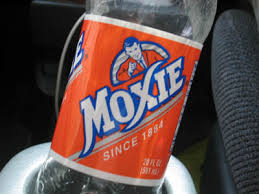
We ate wonderful food with Vijay and Niya, both of whom are great cooks. They tried teaching us a few different recipes, but as even the "simple" recipes require a cupboard of spices we probably won't be doing too much traditional Indian cooking back home. In addition to home cooking they also took us out to a night market where we had delicious street food, including masala soda (tastes kind of like Moxie).
It's been fun seeing how middle-class (upper class?) Indians live and seeing a non-touristy side to India. Tonight we take an overnight bus to the town of Hampi, a site of old temples and ruins from when it was a major city in the 1300s. We're not sure how much longer we have in India. Niya invited us to her family home in Gujarat, a little north of Mumbai; she's going back there in two weeks to stay with her family until she gives birth. Although it would be awesome to stay with her and her family, we don't know if we'll still be here two weeks from now. After Hampi we plan to visit Goa and then Mumbai, but for how long in each we don't know.
We didn't take a ton of pictures in Bangalore, but the ones we did take are here.
We were treated just like family and had a lazy, laid back weekend with them. They live in a four story apartment building and are very friendly with all their neighbors. All the kids called me and Jaimee "Uncle" and "Auntie" which was pretty cute and they enjoyed playing Scrabble and UNO with us. One afternoon I borrowed a bike and went riding around the neighborhood with Gollu and the other kids from the building (think the movie The Sandlot but with the kids' uncle along for the ride :-). And another afternoon we all went to Lalbagh Botanical Gardens, a huge 100 acre park in the center of Bangalore. Here we all are in front of a big tree in the park:
 |
| From Bangalore |
Bangalore is an odd mix of old and new India. Walking around the city has a very cosmopolitan feel; there are lots of well-dressed young people, lots of malls, but also cows roam the streets and the ubiquitous Indian garbage is everywhere. It also felt strange when Sunday afternoon, driving home from the park we stopped on the side of the road for fresh sugar cane juice. A man took a whole sugar cane stalk and pressed it through a machine, selling us yummy glasses of juice for 7 rupees (15 cents) each! What can you get for 15 cents in the US? Yet just down the street is a mall with all the luxury brands like Tiffany, Rolex, etc., selling for standard US prices.
 |
| From Bangalore |
We ate wonderful food with Vijay and Niya, both of whom are great cooks. They tried teaching us a few different recipes, but as even the "simple" recipes require a cupboard of spices we probably won't be doing too much traditional Indian cooking back home. In addition to home cooking they also took us out to a night market where we had delicious street food, including masala soda (tastes kind of like Moxie).
It's been fun seeing how middle-class (upper class?) Indians live and seeing a non-touristy side to India. Tonight we take an overnight bus to the town of Hampi, a site of old temples and ruins from when it was a major city in the 1300s. We're not sure how much longer we have in India. Niya invited us to her family home in Gujarat, a little north of Mumbai; she's going back there in two weeks to stay with her family until she gives birth. Although it would be awesome to stay with her and her family, we don't know if we'll still be here two weeks from now. After Hampi we plan to visit Goa and then Mumbai, but for how long in each we don't know.
We didn't take a ton of pictures in Bangalore, but the ones we did take are here.
Friday, April 9, 2010
Temples, Palaces and more
There's a temple around every corner in India. But similar to how we felt in Thailand after seeing our first few dozen temples, after a while they all tend to blend together. It's not to say they lose their luster or beauty, it's just that after 237 days on the road, we're starting to get a little burned out of all the sights.
We also miss our routine of Valkara. Other than possibly Pondicherry, we haven't found a place in India yet where we feel comfortable and relaxed. We went from Valkara to the town of Alleppey, the center of the famed backwaters of Kerala. The town is built around the houseboat cruise industry, we couldn't go five feet without someone offering us a "houseboat" tour. Partly because everyone was doing such a hard sell, and partly because the canal system looked like it was full of sewage, we decided against a cruise. (To see what everyone told us we were missing, see these pictures from a google search.)
We continued up the coast to Fort Cochin, a city described by our guide book as "an unlikely blend of medieval Portugal, Holland and an English country village grafted onto the tropical Malabar Coast." They forgot to mention the myriad tourist restaurants and trinket shops, but otherwise it was a pretty cute town, but we happened to hit it during a couple of days of intense rain storms which somewhat limited what we could do and see. We did have our best meal in India to date though, and one of the simplest: called Kati rolls, they're essentially fried filo dough wrapped around roasted vegetables and spices. That and some fresh lime sodas (lime juice squeezed into a glass and topped with cold sparkling water) made for a scrumptious dinner.
From Fort Cochin we braved an overnight bus to Mysore, up in the mountains of South India. It was a Super Deluxe bus, but we were aware that they slap the word Delux on all sorts of things that are no such thing. This bus wasn't too bad, except that when we got to the state boundary between Kerala and Karnataka (at 3AM) we had to wait until light to keep going. Karnataka has a law against driving at night because of accident danger. Which begs the question, why didn't the bus just leave Fort Cochin three hours later to avoid having to wait? Not sure, except it did allow us to catch a few hours of sleep while not going up and down and around on the windy, rough roads.
Mysore has been somewhat of a disappointment. It contains Maharaja's Palace, supposedly one of the grandest palaces in India. The orginal palace was damaged by fire in 1897 so they rebuilt/renovated in 1912. It is beautiful from the outside, but we didn't pay the 200 rupees (nearly $5) each to go in. Why? We didn't feel like it (plus 200 rupees is more than two meals for both of us). Plus Jaimee has spent the past couple of days suffering from a head cold/sore throat and hasn't really felt like doing too many touristy things.
We did take a ride up to Chamundi Hill, where there is a beautiful Hindu Temple. The day we went was some sort of holy day and the temple was swarming with people; the line to get in snaked all the way around the temple. So again, we contented ourselves with pictures from the outside. Then on the way down, our rickshaw driver wanted to take us to all sorts of silk and natural oil shops. The rickshaw drivers are all in cahoots with the stores around here. Same with the hotels. When we got off the bus in Mysore, we were accosted by rickshaw drivers all wanting to show us business cards of local hotels. It's a bit much, especiallay after being on a bus for 12 hours (almost four of which it was stopped, because in addition to the mentioned "wait for daylight" break we also stopped at a restaurant around 11PM).
We topped off our stay in Mysore by visiting the quirky Rail Musuem, which our guide book called "A must see." Not sure about that, but we did snap some pictures of random ancient machinery to keep my Uncle Neil happy. Take a look at all our pictures from Varkala through Mysore.
Tomorrow we head to Bangalore, the "Silicon Valley" of India, where most of the BPO (Business Process Outsourcing) takes place. We've arranged through couchsurfing to stay with a 30-something Indian couple. We're looking forward to getting off the tourist trail for a bit and meeting some locals.
We also miss our routine of Valkara. Other than possibly Pondicherry, we haven't found a place in India yet where we feel comfortable and relaxed. We went from Valkara to the town of Alleppey, the center of the famed backwaters of Kerala. The town is built around the houseboat cruise industry, we couldn't go five feet without someone offering us a "houseboat" tour. Partly because everyone was doing such a hard sell, and partly because the canal system looked like it was full of sewage, we decided against a cruise. (To see what everyone told us we were missing, see these pictures from a google search.)
|
|


From Fort Cochin we braved an overnight bus to Mysore, up in the mountains of South India. It was a Super Deluxe bus, but we were aware that they slap the word Delux on all sorts of things that are no such thing. This bus wasn't too bad, except that when we got to the state boundary between Kerala and Karnataka (at 3AM) we had to wait until light to keep going. Karnataka has a law against driving at night because of accident danger. Which begs the question, why didn't the bus just leave Fort Cochin three hours later to avoid having to wait? Not sure, except it did allow us to catch a few hours of sleep while not going up and down and around on the windy, rough roads.
Mysore has been somewhat of a disappointment. It contains Maharaja's Palace, supposedly one of the grandest palaces in India. The orginal palace was damaged by fire in 1897 so they rebuilt/renovated in 1912. It is beautiful from the outside, but we didn't pay the 200 rupees (nearly $5) each to go in. Why? We didn't feel like it (plus 200 rupees is more than two meals for both of us). Plus Jaimee has spent the past couple of days suffering from a head cold/sore throat and hasn't really felt like doing too many touristy things.
|
|


We topped off our stay in Mysore by visiting the quirky Rail Musuem, which our guide book called "A must see." Not sure about that, but we did snap some pictures of random ancient machinery to keep my Uncle Neil happy. Take a look at all our pictures from Varkala through Mysore.
Tomorrow we head to Bangalore, the "Silicon Valley" of India, where most of the BPO (Business Process Outsourcing) takes place. We've arranged through couchsurfing to stay with a 30-something Indian couple. We're looking forward to getting off the tourist trail for a bit and meeting some locals.
Sunday, April 4, 2010
A Day in the Life
Well, we've been in Varkala for four full days now, each day essentially taking the same shape. We usually lounge around in the mornings, heading to breakfast around 9 or 10AM. There are plenty of places for breakfast along the cliff, and we've sampled the various places. You can get an Indian breakfast of dosas (savory crepes filled with potatoes and spices) or more American/Australian breakfasts of eggs (or baked beans) and toast. Many of the breakfast places also bake good German bread. We linger over breakfast with lots of coffee, often playing Scrabble or writing in our journals.
Then, after changing into our beach attire, we walk down the stairs to the beach, rent an umbrella and hang out for a few hours, taking dips in the water in between games of Scrabble or reading. In lieu of eating a full lunch we usually buy a whole pineapple or some mangos (or both) from one of the numerous ladies plying the beach selling fruit. They slice the pineapple right in front of you, and the pineapple is so ripe you can eat the whole thing, core and all.
Then, around 5PM we pack it up and head back to our "resort" for showers and dinner. We choose from among the many restaurants along the cliff for dinner. Or, we'll walk to the Temple Junction, where there are a few local restaurants, one in particular that we've gone to twice. They serve really good thali, a staple meal of South India, which is rice served with several types of sauces including daal (lentils) and curried potatos. Traditionally you mix the rices and sauces together and eat it with your right hand, but this restaurant is nice enough to include a spoon.
After dinner we might sit in the air conditioning of the Internet cafe for a half hour or so, or hit up one of the bakeries for lassis and chocolate cake. Then we head back to our room, arrange the mosquito net and go to bed.
One of the best parts about this whole routine has been how little it's costing us. Anyone who's interested in a cheap beach vacation would do well to consider India. Yes, getting here is a hassle (and expensive), and there are Visa concerns (like applying and paying ahead of time) but it has been one of the cheapest places we've stayed so far. Here are the typical costs for the day I described above:
Room: Basic room with a mosquito net and fan costs 400 rupees per night, a little over $9 US.
Food: Breakfast at one of the tourist restaurants for the two of us is 180 rupees, about $4. A pineapple on the beach is between 60 and 80 rupees ($1.30 to $1.80), depending on size, mangos 20 or 30 rupees each (50 or 60 cents). Dinner at the local restaurant is, no kidding, 120 rupees ($2.75), including (non-alcoholic) drinks. At the tourist restaurants it's about twice that, but for variety we've had sunset views and excellent North Indian food (naan, various types of masala or korma dishes) for about 300 rupees ($6.80). If we want dessert, it will cost about 100 rupees ($2.25) for shakes and chocolate cake.
Other: Umrella rental is 150 rupees ($3.40), bottled water is about 50 rupees ($1.25) a day for the two of us. Internet is 40 rupees (about 90 cents) per hour. That's about it, as there are no transport costs since we walk everywhere.
If you add it all up, it's about $25 to $30 per day for the two of us. This is about 1/4 of our allocated budget of $100 a day for our trip. Of course, the $100 a day includes airfare and transport costs, but still, it's very cheap (and fun) here. You can see why we've stayed four days.
But, there is still a lot of ground to cover in India, so tomorrow we're heading to Alleppey, about 100 miles north of here to see the famed "backwaters" of Kerala.
Then, after changing into our beach attire, we walk down the stairs to the beach, rent an umbrella and hang out for a few hours, taking dips in the water in between games of Scrabble or reading. In lieu of eating a full lunch we usually buy a whole pineapple or some mangos (or both) from one of the numerous ladies plying the beach selling fruit. They slice the pineapple right in front of you, and the pineapple is so ripe you can eat the whole thing, core and all.
|
|


After dinner we might sit in the air conditioning of the Internet cafe for a half hour or so, or hit up one of the bakeries for lassis and chocolate cake. Then we head back to our room, arrange the mosquito net and go to bed.
One of the best parts about this whole routine has been how little it's costing us. Anyone who's interested in a cheap beach vacation would do well to consider India. Yes, getting here is a hassle (and expensive), and there are Visa concerns (like applying and paying ahead of time) but it has been one of the cheapest places we've stayed so far. Here are the typical costs for the day I described above:
Room: Basic room with a mosquito net and fan costs 400 rupees per night, a little over $9 US.
Food: Breakfast at one of the tourist restaurants for the two of us is 180 rupees, about $4. A pineapple on the beach is between 60 and 80 rupees ($1.30 to $1.80), depending on size, mangos 20 or 30 rupees each (50 or 60 cents). Dinner at the local restaurant is, no kidding, 120 rupees ($2.75), including (non-alcoholic) drinks. At the tourist restaurants it's about twice that, but for variety we've had sunset views and excellent North Indian food (naan, various types of masala or korma dishes) for about 300 rupees ($6.80). If we want dessert, it will cost about 100 rupees ($2.25) for shakes and chocolate cake.
Other: Umrella rental is 150 rupees ($3.40), bottled water is about 50 rupees ($1.25) a day for the two of us. Internet is 40 rupees (about 90 cents) per hour. That's about it, as there are no transport costs since we walk everywhere.
If you add it all up, it's about $25 to $30 per day for the two of us. This is about 1/4 of our allocated budget of $100 a day for our trip. Of course, the $100 a day includes airfare and transport costs, but still, it's very cheap (and fun) here. You can see why we've stayed four days.
But, there is still a lot of ground to cover in India, so tomorrow we're heading to Alleppey, about 100 miles north of here to see the famed "backwaters" of Kerala.
Friday, April 2, 2010
Because it's there
As we've mentioned before, a lot of our trip has been about visiting places merely for the sake of visiting them. We had very few pre-conceived ideas of where this trip would take us, other than a rough outline of regions we wanted to visit (i.e., Australia, New Zealand, Southeast Asia, etc.). We'd work out the specific places within those regions later.
And so it is with India. Chennai was one specific place we wanted to visit in order to see the development team I worked with in Seattle. But otherwise, we had no real game plan of what to see in India. We're winging it as they say.
India is both a good place and a daunting place to be winging it. Good in the sense that public transportation is incredibly extensive and amazingly cheap. No matter where you want to go, there is a bus or train that goes there. (And if the bus isn't leaving soon enough a rickshaw will take you there.) Essentially our planning goes something along the lines of looking at a map, seeing what towns/cities are nearby and reading about those cities in our guidebook (we're using Lonely Plant's South India guidebook ) to see if they sound interesting.
So it went with deciding to go to Kanyakumari, the southernmost tip of India. Just like when we headed to the northernmost point in New Zealand, we looked at the map and thought it would be neat to see what the meeting of multiple seas looks like. In this case, the Bay of Bengal, Indian Ocean and Arabian Sea.
We started off on the train from Madurai, where as we mentioned previously we bought second class open seat tickets. The train was a half hour late and when it arrived, people rushed to get aboard, and being that we were wearing our backpacks, we were last to board. This was unfortunate because it meant that all the seats were taken. There were people everywhere, crammed on the benches or sharing two to a seat, even squatting in the luggage racks. Sitting on the floor was not a good option as there were swarms of cockroaches roaming the floor; we didn't even want to set our bags down. For a few minutes at the station we contemplated just bailing and getting off the train, but then a nice older man came to our rescue. He offered Jaimee his seat, and then the man opposite him offered me his seat (he said he was only riding the train for a few more stops).
Our fellow passengers on the train were very friendly. Many wanted pictures with us (almost everyone has a cell phone camera), and we took a few with them too, Jaimee with the female passengers and me with the male passengers. (Indians don't really mingle in groups of both sexes unless it's a family.)
We got into Kanyakumari late at night and wandered around until we found a hotel. It wasn't the nicest place but the price was right (250 rupees, or a little over $5). We explored Kanyakumari the next day, which basically took about five minutes. For an Indian town, it was very small, a few streets and a market with stores selling trinkets, saris and electronics. The real reason to come here is to see the meeting of the seas and visit a couple of neat memorials on two islands a short ferry ride from the jetty. There's a huge memorial to Swami Vivekananda, known at the "Wandering Monk" because of his prabrajya (period of wandering). He seemed like an interesting guy and you can read about him in the given link. The other memorial is a huge 133 foot tall statue dedicated to the Tamil poet Thiruvalluvar. They call it India's Statue of Liberty and was erected in the year 2000 after requiring the work of over 5,000 sculptors.
The ferry rides were quite an event. Kanyakumari is very popular with Indian tourists and the ferry was packed. They hand out life jackets to each person for the ride, and many passengers acted like they'd never seen a life jacket before. Given the general disregard to passenger safety seen elsewhere on public transport, these life jackets must have represented the epitome of luxury. It was an amazing sight, seeing Indian women with colorful saris and men in proper clothes (Indian men dress very sharply), some with turbans, all strapped up in life vests. This for a five minute ride (literally).
While wandering around the memorials many people wanted to take our picture. It was really weird, but usually we'd oblige. Which led to one funny incident where an Indian woman approached us with her camera. We assumed she wanted a picture with Jaimee, but when Jaimee went to pose with her, she politely said she was from Canada and wanted a picture of herself, and herself alone with the statue in the background. Here are a few pictures while hanging out on Thiruvalluvar's toes:
After seeing the two memorials and a small Gandhi memorial (some of his ashes are entombed here) there wasn't much else to do so we decided to head into the Indian state of Kerala. Kerala is one of the wealthier states of India and gets a lot of tourism to their beaches and water canals. It took three buses (and seven hours) to get to Varkala, about a third of the way up the coast of Kerala. This is a totally different side of India than we'd seen so far. Verkala is a tiny village built along a cliff, with a beautiful beach below. Although technically it's shoulder season (the monsoon is coming soon) there are still quite a few foreign tourists, definitely the most we've seen since arriving in India.
We've been here three nights, probably staying at least one or two more. It's relaxing, as the beach is a short walk from our little bungalow, and there are lots of little restaurants and cafes along the cliff. You can rent umbrellas and lounge chairs on the beach, and so far we've been lounging around relaxing and reading (we both found the book Shutter Island to be a great beach read). The cliff top is technically a road but it is nothing like the normal honking and loud traffic that has been so common elsewhere in India. We're enjoying it here immensely.
See the full set of pictures of Kunymari and our stay in Varkala.
As a side note, some of you might have noticed that our Spot check-ins have been less frequent. Well, apparently, Spot coverage in India is not very good. Not sure why this is, since Spot works off GPS, where the G stands for Global, but you can see on this map from the Spot website (reproduced below as well) that India is an area with only 20% reliability. In other words, many of the Spot check-ins may not come through. We'll still try, but they won't always work. Compounding this is the general lack of free Internet here. Very few hotels have wifi (certainly none of the budget places we've stayed in have had wireless) so we've been using Internet Cafes, which there are plenty of but we don't like to spend our time sitting in Internet cafes when we could be on the beach.

And so it is with India. Chennai was one specific place we wanted to visit in order to see the development team I worked with in Seattle. But otherwise, we had no real game plan of what to see in India. We're winging it as they say.
India is both a good place and a daunting place to be winging it. Good in the sense that public transportation is incredibly extensive and amazingly cheap. No matter where you want to go, there is a bus or train that goes there. (And if the bus isn't leaving soon enough a rickshaw will take you there.) Essentially our planning goes something along the lines of looking at a map, seeing what towns/cities are nearby and reading about those cities in our guidebook (we're using Lonely Plant's South India guidebook
) to see if they sound interesting.So it went with deciding to go to Kanyakumari, the southernmost tip of India. Just like when we headed to the northernmost point in New Zealand, we looked at the map and thought it would be neat to see what the meeting of multiple seas looks like. In this case, the Bay of Bengal, Indian Ocean and Arabian Sea.
We started off on the train from Madurai, where as we mentioned previously we bought second class open seat tickets. The train was a half hour late and when it arrived, people rushed to get aboard, and being that we were wearing our backpacks, we were last to board. This was unfortunate because it meant that all the seats were taken. There were people everywhere, crammed on the benches or sharing two to a seat, even squatting in the luggage racks. Sitting on the floor was not a good option as there were swarms of cockroaches roaming the floor; we didn't even want to set our bags down. For a few minutes at the station we contemplated just bailing and getting off the train, but then a nice older man came to our rescue. He offered Jaimee his seat, and then the man opposite him offered me his seat (he said he was only riding the train for a few more stops).
Our fellow passengers on the train were very friendly. Many wanted pictures with us (almost everyone has a cell phone camera), and we took a few with them too, Jaimee with the female passengers and me with the male passengers. (Indians don't really mingle in groups of both sexes unless it's a family.)
|
|


We got into Kanyakumari late at night and wandered around until we found a hotel. It wasn't the nicest place but the price was right (250 rupees, or a little over $5). We explored Kanyakumari the next day, which basically took about five minutes. For an Indian town, it was very small, a few streets and a market with stores selling trinkets, saris and electronics. The real reason to come here is to see the meeting of the seas and visit a couple of neat memorials on two islands a short ferry ride from the jetty. There's a huge memorial to Swami Vivekananda, known at the "Wandering Monk" because of his prabrajya (period of wandering). He seemed like an interesting guy and you can read about him in the given link. The other memorial is a huge 133 foot tall statue dedicated to the Tamil poet Thiruvalluvar. They call it India's Statue of Liberty and was erected in the year 2000 after requiring the work of over 5,000 sculptors.
The ferry rides were quite an event. Kanyakumari is very popular with Indian tourists and the ferry was packed. They hand out life jackets to each person for the ride, and many passengers acted like they'd never seen a life jacket before. Given the general disregard to passenger safety seen elsewhere on public transport, these life jackets must have represented the epitome of luxury. It was an amazing sight, seeing Indian women with colorful saris and men in proper clothes (Indian men dress very sharply), some with turbans, all strapped up in life vests. This for a five minute ride (literally).
While wandering around the memorials many people wanted to take our picture. It was really weird, but usually we'd oblige. Which led to one funny incident where an Indian woman approached us with her camera. We assumed she wanted a picture with Jaimee, but when Jaimee went to pose with her, she politely said she was from Canada and wanted a picture of herself, and herself alone with the statue in the background. Here are a few pictures while hanging out on Thiruvalluvar's toes:
|
|


We've been here three nights, probably staying at least one or two more. It's relaxing, as the beach is a short walk from our little bungalow, and there are lots of little restaurants and cafes along the cliff. You can rent umbrellas and lounge chairs on the beach, and so far we've been lounging around relaxing and reading (we both found the book Shutter Island
to be a great beach read). The cliff top is technically a road but it is nothing like the normal honking and loud traffic that has been so common elsewhere in India. We're enjoying it here immensely. |
| From Into Kerala |
As a side note, some of you might have noticed that our Spot check-ins have been less frequent. Well, apparently, Spot coverage in India is not very good. Not sure why this is, since Spot works off GPS, where the G stands for Global, but you can see on this map from the Spot website (reproduced below as well) that India is an area with only 20% reliability. In other words, many of the Spot check-ins may not come through. We'll still try, but they won't always work. Compounding this is the general lack of free Internet here. Very few hotels have wifi (certainly none of the budget places we've stayed in have had wireless) so we've been using Internet Cafes, which there are plenty of but we don't like to spend our time sitting in Internet cafes when we could be on the beach.

Monday, March 29, 2010
Insane India
The Indian tourism board uses Incredible India, including a website Incredibleindia.org, as a catch phrase to promote tourism. After a week here we think that Insane India would be more appropriate. Whether insane or incredible (or both), India so far has been pretty amazing, on many different levels.
First there are the people. With a population of over one billion, India is teeming with people. There are people everywhere, driving cars, riding motorcycles, riding buses, pedaling richshaws, herding goats, leading cows, drinking chai at little street side chai shops, peddling trinkets, selling flowers, or just hanging out with friends. Go out at night and the number of people in the streets doubles or triples. Whereas we noticed that more people came out at night in Southeast Asia, it is even more pronounced here (it's also a lot hotter, so the nocturnal behavior makes sense).
But unlike Southeast Asia where people seemed to be content to sit still (unless on a motorcycle), here people are on the move. I have no idea where everyone is going all the time, but it seems everyone is going somewhere, no matter what time of day.
Second, there are the sights. Everywhere we go there is something incredible to see. Today, I walked into a temple and after putting my shoes into the "chappel" rack I turned around and was face to face with an elephant being fed a bottle of orange fanta soda. Then, since it's supposed to be good luck, I let the elephant touch my head (sorry about the lady blocking me in the picture, but it's kind of hard to get a stranger-free picture around here):
After staying with the couchsurfer in Chennai we set out for Pondicherry (Puducherry). We stayed at a wonderful guest house that doubles as an ashram. We had a balcony room overlooking the ocean and it was far enough away from the street that we could even hear the waves crashing. The beach in Pondicherry wasn't really for swimming, it was all rocks, but there was a wonderful walking area where many locals strolled up and down enjoying the ocean breezes. The walkway is currently under construction, but I imagine when it's finished it will be even nicer:
We enjoyed Pondicherry quite a bit; for an Indian town it's really laid back, the French-influenced section of town was somewhat free of traffic so it was nice for strolling and we found a few nice restaurants. We even managed to catch a free outdoor music concert one of the nights. From Pondicherry we headed southwest and inland to the town of Trichy. We missed the direct bus that went there so we took two local buses connecting through a nearby town. Local buses in India are quite an experience. They are packed to standing room only and since we have our backpacks on one bus they charged us a ticket for our bags. (I'm not going to complain about this because buses are ridiculously cheap; the two local buses for the four hour journey from Pondy to Trichy was less than $4 for both of us, including paying extra for our bags.)
Accommodations in Trichy were pretty dumpy but we did pay extra for air conditioning which was nice considering it's averaging about 95 degrees with high humidity every day. We went out to the Rock Fort Temple (where Jaimee and I got blessed by the elephant) and climbed the 437 steps (barefoot, in the sun) to the top. The views were outstanding and we also chatted with a group of teenagers who were hanging out. Like most young men in India, they are studying computer science at the local university. Although sometimes the crowds of people can be seen as a liability for India, seeing the huge number of young people, many of them studying hard in schools, you can see the flip side of having a huge population. There is a very large (and growing) talent pool for new workers.
Now we are in Madurai (see previous post for a map), again staying at a not so nice place, this time without air conditioning, and no screens on the windows. We lathered up with bug spray before bed but considering how much I was sweating I had to reapply once in the middle of the night. The consolation is that it was very cheap (300 rupees, or about $6.50) and they have free filtered water. That's one thing that India does well - clean drinking water. All the restaurants, bus stations, many of the hotels, even the temples provide clean, filtered water free of charge. It's obvious that a lot of effort has gone into providing this on such a large scale. It's nice to fill up our water bottles; Jaimee and I both hated buying so much bottled water in SE Asia. Now if only India could do something about the mounds of garbage everywhere. Garbage really is a problem, and I've seen many people just toss things right in the street. On one bus, while sitting in a traffic jam caused by a ox-drawn cart with a broken wheel that was blocking one lane, a passenger got off the bus (easy since there are no doors), walked over to a street stall selling some sort of milky liquid, came back on the bus, drank his drink and then tossed the plastic cup into the street.
Anyway, take a look at our full set of pictures from our last few days on the road. Later today we're heading to the very southern tip of India at Kanyakumari. We're taking the train. I have no idea what it will be like as we booked an "open seat" which costs 32 rupees (about 75 cents) each for the five hour train ride. We stopped at a travel agency in town where they wanted to charge us 650 rupees (about $14.50) each for the same journey! We didn't know what it should cost, but that seemed high so we literally walked across the street to the train station and bought our 32 rupee tickets. We'll see how it goes.
Jaimee has already said that we need to treat ourselves to a nice place to stay pretty soon; we're not sure if that will be in Kanyakumari or later in Kerala or Goa. But no question, between the heat and crowds, we're already in need of a vacation from our vacation.
First there are the people. With a population of over one billion, India is teeming with people. There are people everywhere, driving cars, riding motorcycles, riding buses, pedaling richshaws, herding goats, leading cows, drinking chai at little street side chai shops, peddling trinkets, selling flowers, or just hanging out with friends. Go out at night and the number of people in the streets doubles or triples. Whereas we noticed that more people came out at night in Southeast Asia, it is even more pronounced here (it's also a lot hotter, so the nocturnal behavior makes sense).
But unlike Southeast Asia where people seemed to be content to sit still (unless on a motorcycle), here people are on the move. I have no idea where everyone is going all the time, but it seems everyone is going somewhere, no matter what time of day.
Second, there are the sights. Everywhere we go there is something incredible to see. Today, I walked into a temple and after putting my shoes into the "chappel" rack I turned around and was face to face with an elephant being fed a bottle of orange fanta soda. Then, since it's supposed to be good luck, I let the elephant touch my head (sorry about the lady blocking me in the picture, but it's kind of hard to get a stranger-free picture around here):
 |
| From Pondy and Trichy |
 |
| From Pondy and Trichy |
Accommodations in Trichy were pretty dumpy but we did pay extra for air conditioning which was nice considering it's averaging about 95 degrees with high humidity every day. We went out to the Rock Fort Temple (where Jaimee and I got blessed by the elephant) and climbed the 437 steps (barefoot, in the sun) to the top. The views were outstanding and we also chatted with a group of teenagers who were hanging out. Like most young men in India, they are studying computer science at the local university. Although sometimes the crowds of people can be seen as a liability for India, seeing the huge number of young people, many of them studying hard in schools, you can see the flip side of having a huge population. There is a very large (and growing) talent pool for new workers.
 |
| From Pondy and Trichy |
Anyway, take a look at our full set of pictures from our last few days on the road. Later today we're heading to the very southern tip of India at Kanyakumari. We're taking the train. I have no idea what it will be like as we booked an "open seat" which costs 32 rupees (about 75 cents) each for the five hour train ride. We stopped at a travel agency in town where they wanted to charge us 650 rupees (about $14.50) each for the same journey! We didn't know what it should cost, but that seemed high so we literally walked across the street to the train station and bought our 32 rupee tickets. We'll see how it goes.
Jaimee has already said that we need to treat ourselves to a nice place to stay pretty soon; we're not sure if that will be in Kanyakumari or later in Kerala or Goa. But no question, between the heat and crowds, we're already in need of a vacation from our vacation.
Thursday, March 25, 2010
Welcome to India
As it turns out, Vietnam was perfect preparation for our visit to India. As readers of our blog know, we didn't find things to be very easy in Vietnam. Buying bus or train tickets was difficult, it was impossible to not get ripped off by taxi drivers, even finding decent, non-touristy food, and getting what we ordered (or wanted) was not always possible. So, the bar of expectations was pretty low when we boarded our flight from Ho Chi Minh City to Chennai, India.
Our flight went through Singapore and we had a wonderful seven hour layover at the Singapore Airport. Wonderful because the airport was clean, we could drink the water from the water fountains, there was cheap food and free wifi. We also visited the post office in the terminal and mailed back 13 pounds of stuff we didn't need to carry around anymore.
We landed in Chennai and passed through customs without a problem (we lucked out being non-Indian as our flight was 90% Indian and "foreigners" had their own customs line at the airport). We had arranged to couchsurf in the southern part of Chennai and after a harrowing ride in an unregistered taxi (at one point I tried rolling the window down and found the door handle instead, but was able to hold on and not fall out) we arrived after midnight.
As usual with couchsurfing, our host is wonderful. She's an American from Connecticut, recently living in Vermont and Colorado before moving to Chennai with her three year old son last year to teach middle school at the American International School. We had fun playing with her son Elijah. Well, at least he had fun. I was mostly a prop (okay, I had fun too):
The reason we started our India tour in Chennai is because when I was working at Keynote Systems in Seattle, I worked closely with a development and support team in Chennai. I'd met two of the people from the Chennai team when they came to Seattle for a visit, but unfortunately one of them was in California for training and the other works in the Bangalore office now. However, I did meet the rest of the team, all of whom I had never met in person.
The office is located in an office park in southern Chennai and illustrates the incredible contrasts that have come to represent modern India. Inside the office park you'd think you were in any other corporate office park in America (complete with security that seems to exist more for show than for real security). Outside, however, is another story. The streets are lined with small shops and run-down buildings and are clogged with rickshaws, motorcycles, cars and buses. Even the train station right next to the office looked abandoned and as if it had been bombed.
About 40% of the people in India live on $1 a day, and wandering around Chennai there is evidence of poverty everywhere. Yesterday we took a walk down to the beach (supposedly the second longest beach in the world) and were amazed at the living conditions of people along the water:
During our three days here (be sure and look at all our pictures to see what we did while here), there have been moments when Chennai seems like a modern, cosmopolitan city, but then we'll pass piles of garbage in the streets or catch the strong whiff of urine to remind us that India is still quite a poor country. It will be interesting to see more of the country and visit some less urbanized areas (although even "small" towns here can have close to one million people). Our planned itinerary is to basically head south along the east coast until we get to the bottom of India, then head north along the west coast through Kerala and Goa until we reach Mumbai. We might also take a detour to Bangalore depending on our time and interest. From Mumbai we'll determine how much further north in India we want to go. Here is a map of southern India which we'll update with the places we stay as we go along:
View World Trip in a larger mapTomorrow, we're catching a bus to the town of Pondicherry (Puducherry), a seaside town with a strong French influence. The bus station we leave from has its own wikipedia page (found while trying to figure out how to take the bus) which says that at 37 acres it's the largest bus terminal in Asia. In many areas it seems, India is all about extremes.
Our flight went through Singapore and we had a wonderful seven hour layover at the Singapore Airport. Wonderful because the airport was clean, we could drink the water from the water fountains, there was cheap food and free wifi. We also visited the post office in the terminal and mailed back 13 pounds of stuff we didn't need to carry around anymore.
We landed in Chennai and passed through customs without a problem (we lucked out being non-Indian as our flight was 90% Indian and "foreigners" had their own customs line at the airport). We had arranged to couchsurf in the southern part of Chennai and after a harrowing ride in an unregistered taxi (at one point I tried rolling the window down and found the door handle instead, but was able to hold on and not fall out) we arrived after midnight.
As usual with couchsurfing, our host is wonderful. She's an American from Connecticut, recently living in Vermont and Colorado before moving to Chennai with her three year old son last year to teach middle school at the American International School. We had fun playing with her son Elijah. Well, at least he had fun. I was mostly a prop (okay, I had fun too):
 |
| From Chennai |
 |
| From Chennai |
About 40% of the people in India live on $1 a day, and wandering around Chennai there is evidence of poverty everywhere. Yesterday we took a walk down to the beach (supposedly the second longest beach in the world) and were amazed at the living conditions of people along the water:
 |
| From Chennai |
View World Trip in a larger map
Subscribe to:
Posts (Atom)
